
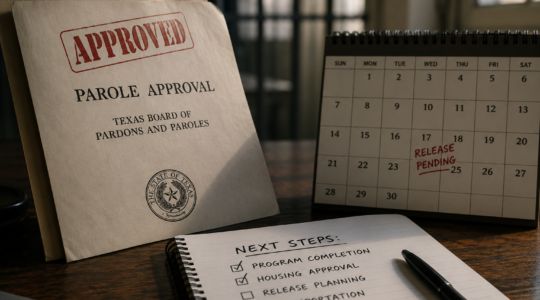
What Happens Between a Parole Approval and Actual Release?
- June 1, 2026
- Parole, Parole Representation
- The Law Office of Greg Tsioros
- Comments Off on What Happens Between a Parole Approval and Actual Release?
Receiving parole approval is a major milestone, but it doesn’t always mean someone will be released immediately.
Many inmates and family members expect release to happen within days of a favorable parole vote. In reality, there is often a waiting period between parole approval and the actual release date. During that time, several administrative and legal steps must be completed before an inmate can leave prison and begin parole supervision.
The length of this process varies from case to case. Some people are released within a few weeks, while others may wait several months depending on their circumstances.
If you or a loved one recently received parole approval, understanding what happens next can help reduce some of the uncertainty during this final stage of the process.
How Long After Parole Approval Is Someone Released?
There is no single answer that applies to every case.
The time between parole approval and release depends on several factors, including the inmate’s offense, release plan, required programming, and administrative processing. While some inmates are released relatively quickly, others may remain in custody while officials complete the steps necessary for release.
Key Details About Release Timing
- Release is not immediate. A parole vote approves release, but it does not automatically trigger an immediate discharge from prison.
- Every case is different. No two parole cases follow exactly the same timeline. The requirements that must be completed before release can vary significantly.
- Additional reviews may be required. Some cases require housing verification, program completion, or other approvals before release can occur.
- Delays are common. Waiting several weeks after parole approval is not unusual and does not necessarily mean something is wrong.
What Happens After Parole Is Approved?
Once parole has been granted, the Texas Department of Criminal Justice and the Texas Board of Pardons and Paroles begin preparing the inmate for release.
Several steps typically take place before an inmate is allowed to leave custody.
Common Steps Before Release
- Parole certificate preparation. The parole certificate outlines the conditions that must be followed after release. These conditions may include reporting requirements, travel restrictions, treatment requirements, and other rules of supervision.
- Residence review. Officials review the proposed residence to determine whether it meets parole requirements. In some cases, additional information may be requested before approval is granted.
- Program completion. Some inmates must complete specific educational, treatment, or rehabilitation programs before they can be released.
- Release planning. Officials work to ensure that reporting instructions, transportation arrangements, and supervision details are in place before release occurs.
- Transfer to another unit. Some inmates are transferred to another facility before release. While this can be alarming for families, a transfer does not necessarily indicate a problem with the parole approval.
The period between parole approval and release can be frustrating for inmates and families who are eager to move forward. If questions arise about delays or release requirements, a Houston parole attorney can help provide clarity and guidance during the process.
Contact the office of Greg Tsioros today.
What Can Delay a Parole Release?
Even after parole has been approved, several issues can slow the release process. In many situations, delays are administrative rather than disciplinary. However, some circumstances require additional review before release can occur.
Common Reasons for Delays
- Required program completion. An inmate may be required to complete a treatment program or other assignment before release can occur.
- Residence problems. If the proposed home does not meet parole requirements, another housing plan may need to be submitted and approved.
- Outstanding warrants or detainers. A hold from another county, state, or federal agency can delay release and may result in a transfer rather than immediate release.
- Administrative processing. Paperwork, scheduling, and internal reviews can sometimes take longer than expected.
- Medical or special circumstances. Certain medical issues or special release requirements may require additional coordination before release can occur.
For families waiting for answers, these delays can be frustrating. In many cases, however, a delay does not mean parole has been revoked or denied.
Can Parole Be Taken Away After It Has Been Been Approved?
Yes. Although it does not happen in every case, parole approval can be withdrawn before release under certain circumstances.
The parole board expects inmates to continue following prison rules and complete any remaining requirements before release.
Situations That May Affect an Approved Release
- Serious disciplinary violations. New disciplinary cases can raise concerns about whether release is appropriate.
- Failure to complete required programs. If a required program is not completed, release may be delayed or reconsidered.
- New criminal charges. New legal issues may affect the parole approval.
- Problems with release planning. Housing, supervision, or other release-related issues may require additional review.
While these situations can affect an approved release, they are not part of the typical parole process. Most approved cases continue moving toward release once all requirements have been satisfied.
If you’re concerned that a disciplinary issue, release plan problem, or other complication could affect an approved parole, a Houston parole attorney can review the situation and help address potential concerns before release.
Contact Greg Tsioros today.
BONUS: Why Was My Loved One Moved Instead of Released?
One of the most common questions families ask after parole approval is why their loved one was transferred to another unit instead of being released.
A transfer often happens because additional processing or release preparation is required. Some inmates are moved to complete required programs, finalize paperwork, or prepare for community supervision.
Although a transfer can be confusing, it does not automatically mean there is a problem with the parole approval.
When Should You Contact a Texas Parole Attorney?
Waiting for release can be stressful, especially when information is limited and the timeline seems uncertain.
If parole has been approved but the process appears stalled, or if questions arise about delays, detainers, release plans, or other issues affecting release, it may be helpful to speak with an experienced Texas parole attorney.
An attorney can review the situation, explain the process, and help identify potential issues that could affect the release timeline.
Contact Greg Tsioros today to discuss your case.
Frequently Asked Questions
How long after parole approval does release happen in Texas?
The timeline varies from case to case. Some inmates are released within a few weeks, while others may wait several months depending on release requirements and administrative processing.
Does parole approval mean someone is going home immediately?
No. Several steps typically must be completed before release can occur, including paperwork, release planning, and any required programs.
Can housing problems delay parole release?
Yes. If a proposed residence does not meet parole requirements, officials may require a different housing plan before release can occur.
What is a detainer?
A detainer is a hold placed by another law enforcement agency or government entity. A detainer can delay release and may result in a transfer to another jurisdiction.
Can parole be revoked before release?
Yes. Serious disciplinary issues, new criminal charges, or failure to complete required conditions can affect an approved parole before release occurs.
How can I check an inmate’s parole or release status in Texas?
Information about an inmate’s parole status may be available through the Texas Department of Criminal Justice’s offender search system. However, release dates and processing timelines can change depending on the circumstances of the case and any remaining release requirements.